
How the seizure of a Russian-flagged vessel reveals the dangerous intersection of energy politics, great power rivalry, and military brinkmanship
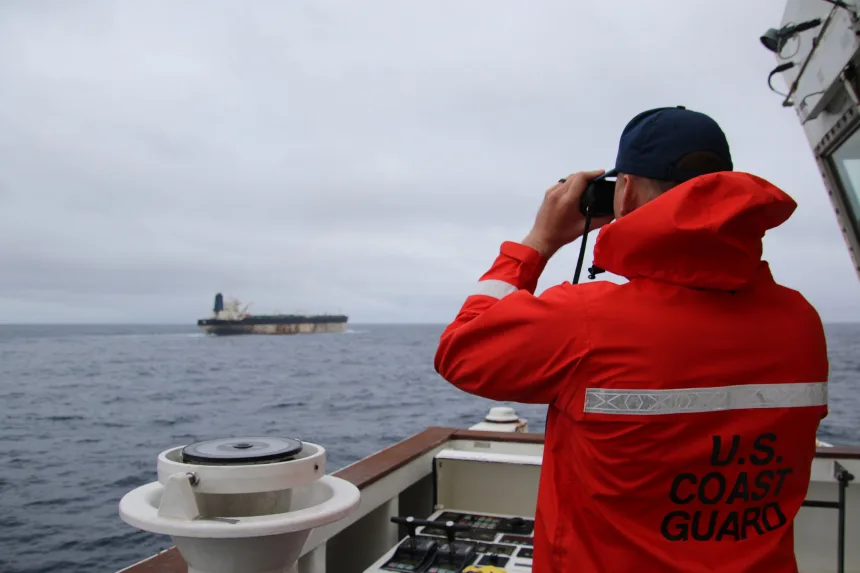
On Wednesday, January 7, 2026, the world witnessed a dramatic confrontation that may well be remembered as a watershed moment in the escalating tensions between the United States and Russia. In the frigid waters between Iceland and Britain, U.S. Navy SEALs boarded and seized the Marinera, a Russian-flagged oil tanker fleeing American authorities. The operation was textbook military precision. The implications are anything but routine.
What makes this incident particularly alarming is not merely the seizure itself, but what arrived too late to prevent it: a Russian submarine, dispatched to escort the vessel, racing against time to reach the tanker before American forces did. It lost that race by minutes or hours. We may never know exactly how close we came to a direct military confrontation between two nuclear powers over a civilian oil tanker.
What Just Happened
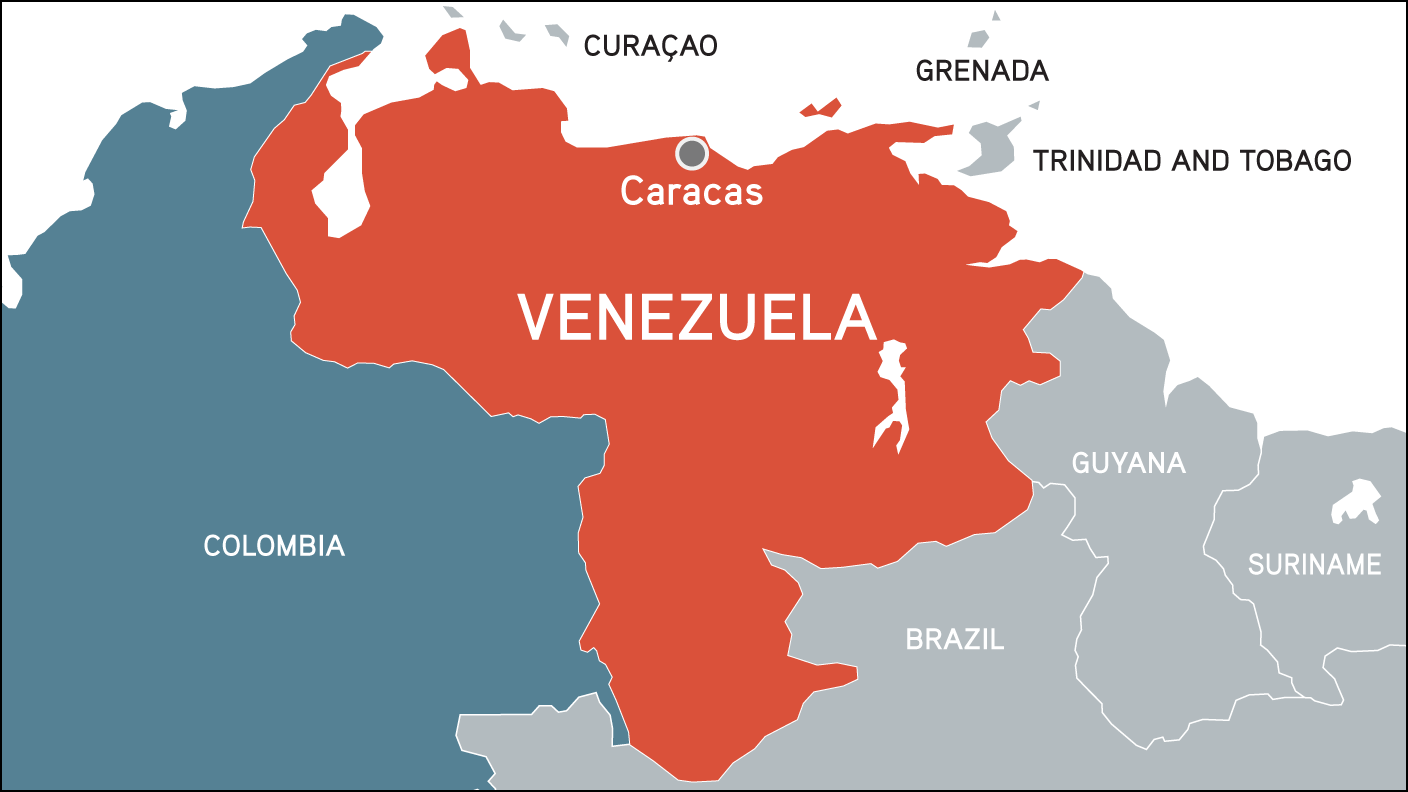
The Marinera was no ordinary commercial vessel. Part of Venezuela’s so-called shadow fleet, it had been transporting sanctioned oil, evading a U.S. blockade aimed at pressuring the Maduro government. When American authorities closed in, the crew took the extraordinary step of painting a Russian flag on the hull and reflagging the ship under Russian registry a maritime sleight of hand that transformed a sanctions-evading tanker into a vessel under Moscow’s protection.
The Trump administration’s response was unambiguous: send in the SEALs. The operation captured not just the Marinera but also a second vessel, the M/T Sophia, in a separate Caribbean operation. These actions represent the most aggressive U.S. enforcement against Venezuelan oil operations in years, but they also represent something more ominous a willingness to directly confront Russian-protected assets with military force.
The Escalation Ladder
Russia’s decision to dispatch a submarine to escort a civilian tanker crossed a significant threshold. This was not a diplomatic protest or economic countermeasure. This was the deployment of military assets to protect what Moscow clearly viewed as vital interests. The question that should keep policymakers awake at night is simple: what happens next time if the submarine arrives on schedule?
Consider the dynamics at play. The United States has demonstrated it will use special operations forces to seize vessels it deems in violation of sanctions, regardless of their flag. Russia has demonstrated it will deploy military assets to protect those vessels. Venezuela has shown it will use shadow fleet tactics and seek Russian protection. Each actor has revealed their hand, and each hand contains an escalatory option.
The next confrontation could unfold very differently. Russian submarines might arrive earlier. They might position themselves to actively interfere with boarding operations. Moscow might provide armed escorts as a matter of routine rather than emergency response. American forces, having established this precedent, would face pressure to continue enforcement even in the face of more robust Russian countermeasures.
Multiple Theatres, Multiplied Risks
This incident does not exist in isolation. It occurs against a backdrop of mounting U.S.-Russia tensions across multiple domains. Ukraine remains a grinding conflict with no resolution in sight. NATO expansion continues to be a source of friction. Cyber operations, election interference allegations, and competing spheres of influence in the Middle East, Africa, and Latin America all contribute to an already strained relationship.
Energy politics has now been added explicitly to this list. The seizure of the Marinera signals that the United States views energy sanctions enforcement as worth the risk of military confrontation. It signals to Russia that its protective umbrella over sanction-evading vessels will be challenged with force. It signals to Venezuela that reflagging under Russian colours may not provide the sanctuary Caracas hoped for.
The immediate economic consequences are significant. Venezuelan oil exports face severe disruption. The shadow fleet model already risky becomes exponentially more dangerous for ship owners and crews. Insurance costs for vessels operating in grey areas of international sanctions will skyrocket. But these economic ripples pale in comparison to the strategic realignment this incident may trigger.
The Three Paths Forward
From this juncture, three broad scenarios emerge, each with its own probability and peril.
De-escalation through diplomatic channels represents the best case. Russia protests vehemently but ultimately accepts the seizure as a fait accompli. Back-channel negotiations establish red lines and procedures to prevent future confrontations. Perhaps a tacit understanding develops: the U.S. won’t seize vessels with active Russian military escorts; Russia won’t provide such escorts except in extraordinary circumstances. This scenario requires both sides to prioritize stability over principle, a difficult ask in the current political climate.
Tit-for-tat retaliation represents the middle path and perhaps the most likely. Russia seizes Western-flagged vessels in its waters, citing spurious violations. American commercial ships face harassment in international waters. Proxy forces in various theatres become more aggressive. Each side calibrates its response to inflict cost without triggering all-out conflict. This is the realm of grey zone warfare, where neither peace nor war prevails, and where miscalculation is a constant risk.
Direct military confrontation represents the nightmare scenario, but it is no longer purely hypothetical. Imagine the next boarding operation occurs with a Russian submarine already on station. The submarine captain faces a choice: allow the seizure or interfere. American commanders face a matching choice: abort the mission or proceed despite the presence of Russian military assets. Add in the fog of war, communications challenges, domestic political pressure, and the unpredictability of individual decision-makers, and the potential for escalation becomes frighteningly real.
The Broader Question
Beyond the immediate crisis, this incident forces a fundamental question about the post-Cold War order: are we witnessing its final dissolution? The seizure of the Marinera would have been almost unthinkable a decade ago. The deployment of a Russian submarine to protect it would have been equally extraordinary. Today, both occurred with a speed that suggests neither side views such actions as particularly unusual.
We have entered an era where great powers increasingly view international norms and institutions as obstacles to be circumvented rather than frameworks to be respected. Sanctions, once primarily economic tools, now carry explicit military enforcement. Flags of convenience, once mere corporate tax strategies, have become geopolitical chess pieces. Commercial vessels have become proxies in larger conflicts.
The danger is not just that any single incident spirals into war though that risk is real and growing. The danger is that we are collectively building a system where such incidents become routine, where military forces regularly confront each other over commercial vessels, where the distinction between economic pressure and military action continues to erode.
What Must Be Done
First, immediate de-escalation mechanisms must be established. The lack of direct military-to-military communication channels between the U.S. and Russia in such situations is inexcusable. Hot lines, clear procedures for notification of enforcement operations, and agreed-upon protocols for preventing accidents are not signs of weakness they are basic competence in an age of nuclear weapons.
Second, the international community must confront the reality that sanctions enforcement through military means requires new legal and diplomatic frameworks. The current system where unilateral sanctions lead to shadow fleets, which lead to military seizures, which lead to military counter-responses is unsustainable. Either sanctions must be multilateral and genuinely enforceable through international institutions, or we must accept that unilateral enforcement will increasingly risk military confrontation.
Third, both Washington and Moscow need to clearly articulate their red lines and the costs they are willing to bear to enforce them. Ambiguity invites miscalculation. If the United States is prepared to risk military confrontation to enforce Venezuelan oil sanctions, that policy deserves explicit debate and authorization, not ad hoc special operations. If Russia is prepared to provide military protection to sanction-evading vessels, Moscow should state this openly and face the diplomatic consequences.
The Stakes
Make no mistake about the magnitude of what is at stake. Two nuclear powers nearly came to direct military confrontation over an oil tanker in the North Atlantic. The margins for error were measured in minutes or hours. Next time, those margins may be even narrower. The week after, they may disappear entirely.
History suggests that great power conflicts often emerge not from grand strategic decisions but from cascading failures to manage secondary conflicts. Sarajevo in 1914 was not meant to trigger world war. The invasion of Poland in 1939 occurred partly because Hitler believed Britain and France were bluffing. The Cuban Missile Crisis brought the world to the brink over weapons installations that both sides knew would likely never be used.
The seizure of the Marinera may one day be remembered as one of those seemingly small incidents that revealed how quickly stability can evaporate, how thin the ice beneath us has become. Or, with wisdom and restraint, it may be remembered as the moment when policymakers recognized the danger and stepped back from the abyss.
The choice, for now, remains ours to make. But the window for making it is closing faster than most realize. The next tanker, the next pursuit, the next submarine may not afford us the luxury of time to deliberate. This is the moment for clear thinking, honest dialogue, and the courage to choose de-escalation over brinksmanship.
Because the alternative a world where such confrontations become routine until one inevitably spirals beyond control is too catastrophic to contemplate.
—
The views expressed in this editorial are those of the author and do not necessarily reflect the official policy or position of any government or organization.